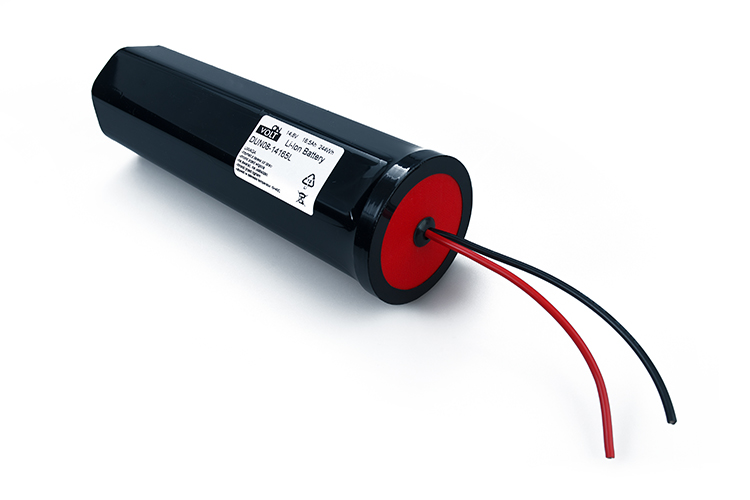
Energy storage – the benefits of having your own storage

An increasingly common problem for owners of photovoltaic installations is the issue of reselling produced electricity. It would seem that the prosumer rules are simple – if we produce energy, we can resell it, and when we need it, we can buy it.

A significant number of photovoltaic devices cause the problem of overproduction of energy during the day. The consequence of this is an increase in voltage in the network and the inability to resell energy.

In the evening, when our photovoltaic installation does not produce energy, we are forced to draw it from the network. This situation causes us to significantly increase our share as a consumer and reduce our share as a producer.

The solution to this problem is an energy storage. When energy production is high, we can charge our energy storage at no cost, which we can use at night. We can of course sell the surplus energy produced, if the parameters of the power grid allow us to do so.

By having an energy storage facility, we are able to use it for our own needs and resell this energy to the grid – importantly, we can resell it at times when rates are the highest and at times when other prosumers do not produce energy.

We derive at least four major benefits from having an energy storage facility:

  • storing energy with the possibility of using it when the photovoltaic installation does not produce it – reducing the costs of purchasing energy,
  • the ability to resell energy at a time when rates are the highest and the grid is able to receive it,
  • no financial losses resulting from the difference in selling energy at a lower rate than purchasing energy at night, when the purchase rate is higher,
  • security of power supply continuity, even in the event of a network failure at night.

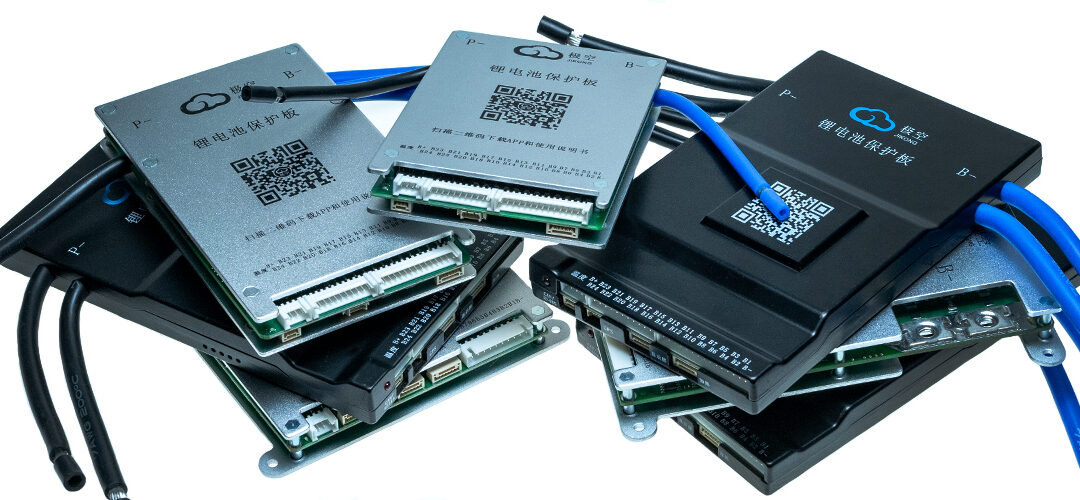
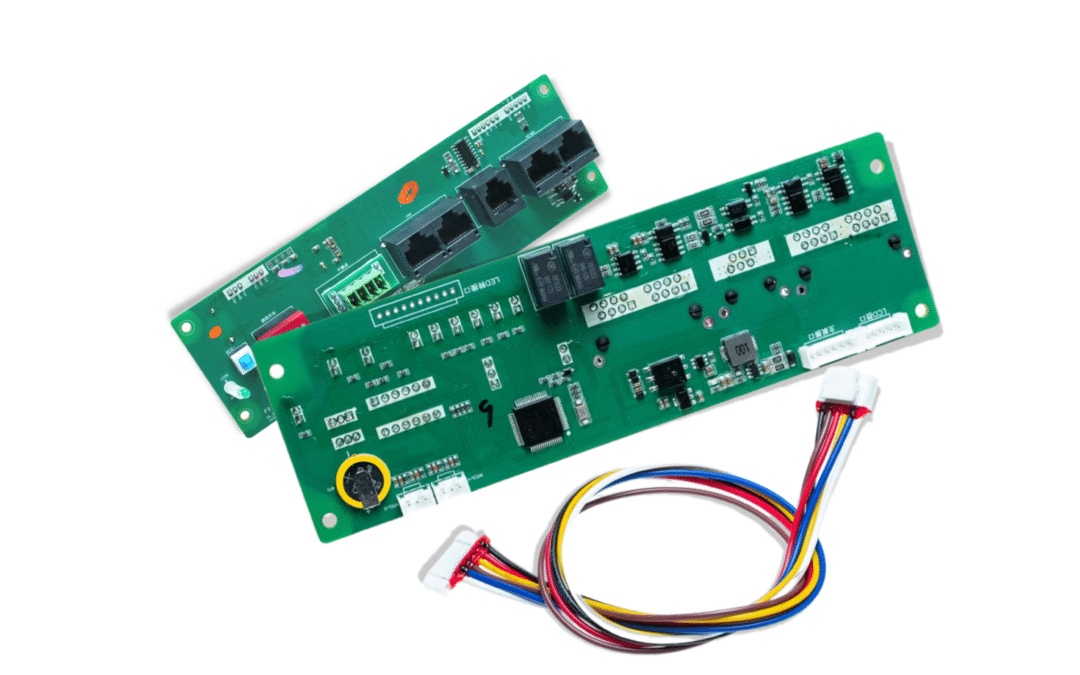
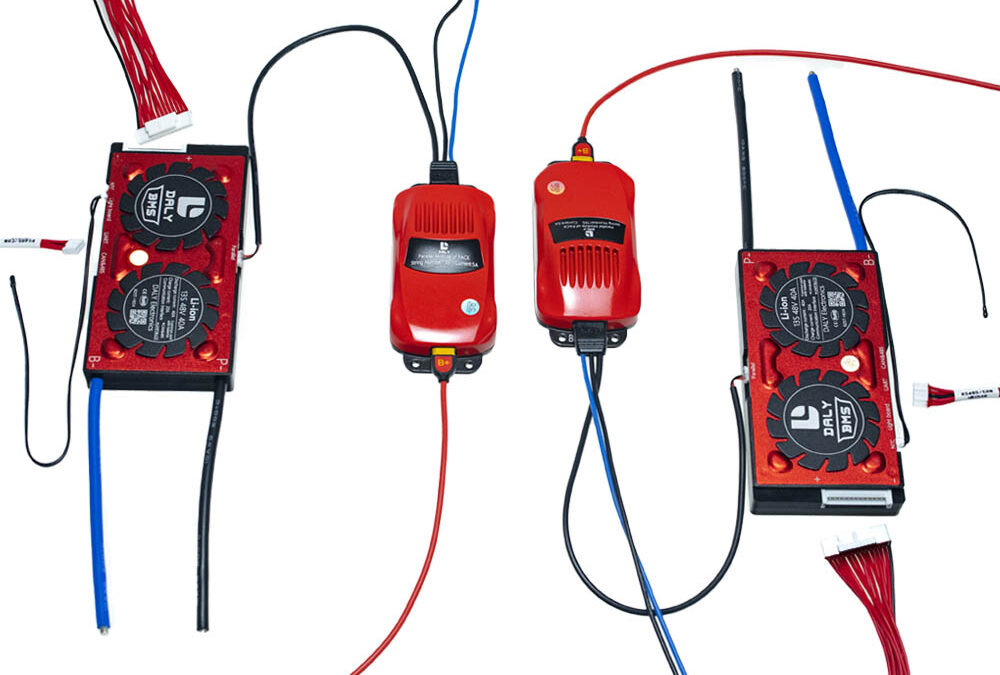
Of course, an energy storage facility is an additional expense, but it is worth considering buying one or building one yourself. Building an energy storage facility for people with basic electrical knowledge (or who can use the help of such people) is not a difficult task.

If you are interested in designing or consulting in the field of energy storage, please contact us: [email protected] or by phone: 505 353 885

Warto przeczytać

Principles of selecting a BMS for a battery pack

Principles of selecting a BMS for a battery pack

The most important information contained in the content: Types of cells Number of cells in a pack marked S-series and P-parallel Maximum continuous current for discharge and charge Balancers and balancing current Temperature probe BMS Standard and Smart BMS for...

read more
Charging and storing energy packs and energy storage units.

Charging and storing energy packs and energy storage units.

The most important information contained in the content: Types of cells (batteries) and selection of chargers for them Charging lithium batteries, including those working with an inverter Charging nickel batteries Charging lead-acid batteries First use and storage of...

read more
How to build a home energy storage?

How to build a home energy storage?

The possibility of using almost all of the energy produced by photovoltaics, with practically no financial losses caused by resale and repurchase, and independence from temporary interruptions in supply, are arguments in favor of having your own energy storage....

read more
Parallel connection of lithium batteries

Parallel connection of lithium batteries

​When using standard BMS, parallel connection of lithium batteries is not allowed due to the very probable damage to the BMS electronics (which may result in damage to the cells). This is the result of uncontrolled current flow between batteries due to the difference...

read more

Information on first use and storage of batteries

Information on first use and storage of batteries For a trouble-free, long-lasting battery life, it is very important to charge them first and store them properly during the period when they are not in use. The procedure depends on the type of battery. Ni-Cd...

read more
Charging and storing packets and energy storage

Charging and storing packets and energy storage

Charging batteries is a topic often neglected by users. The correct charging process has a decisive impact on the battery's performance, its durability and, most importantly, its operational safety. The easiest way out is to use the charger that came with the device...

read more
Universal Li-Ion battery packs for underwater applications

Universal Li-Ion battery packs for underwater applications

Universal Li-Ion battery packs for underwater applications We offer you a unique program to provide universal battery packs applicable to most of the flashlights and heating systems in use for divers. The design of the packs, was conceived to provide the largest...

read more

OnVOLT – komponenty – magazyny energii – BMS – balansery – akumulatory

Wykorzystujemy ciasteczka do spersonalizowania treści i reklam, aby oferować funkcje społecznościowe i analizować ruch w naszej witrynie.

Informacje o tym, jak korzystasz z naszej witryny, udostępniamy partnerom społecznościowym, reklamowym i analitycznym. Partnerzy mogą połączyć te informacje z innymi danymi otrzymanymi od Ciebie lub uzyskanymi podczas korzystania z ich usług.

Informacja o tym, w jaki sposób Google przetwarza dane, znajdują się tutaj.