BMS-what it is and what functions it has
No one needs to be convinced of the advantages of batteries based on lithium technology. Their ability to store much larger amounts of energy than previously used nickel or lead batteries of similar dimensions has led to the massive development of Li-Ion, LIFePO4, or Li-Pol cells.
In addition, lithium batteries are many times lighter than their predecessors.
Li-Ion and Li-Pol batteries are effectively displacing nickel cells in smaller devices (electronics, tools, bicycles, scooters), and Li-FePO4 batteries are becoming a replacement for lead batteries in energy storage, or batteries powering larger electric motors of various applications.
However, it is important to realize that all lithium cells require operation under strict conditions such as:
- Maximum charging voltage
- Minimum discharge voltage
- Maximum charging current
- Maximum discharge current
- Specified temperature range (for discharging and charging)
In the case of lithium cells, exceeding the parameters can result not only in shortening the life of the battery, but also to its destruction and even very violent ignition.
Although successive generations of batteries are being designed so that the risk of ignition-explosion is reduced as much as possible, it is nevertheless real in extreme cases.
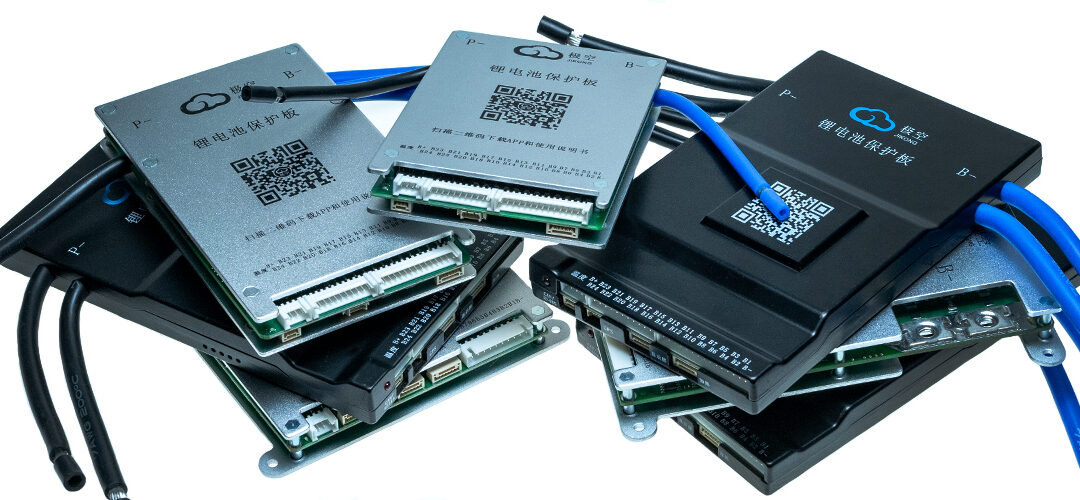
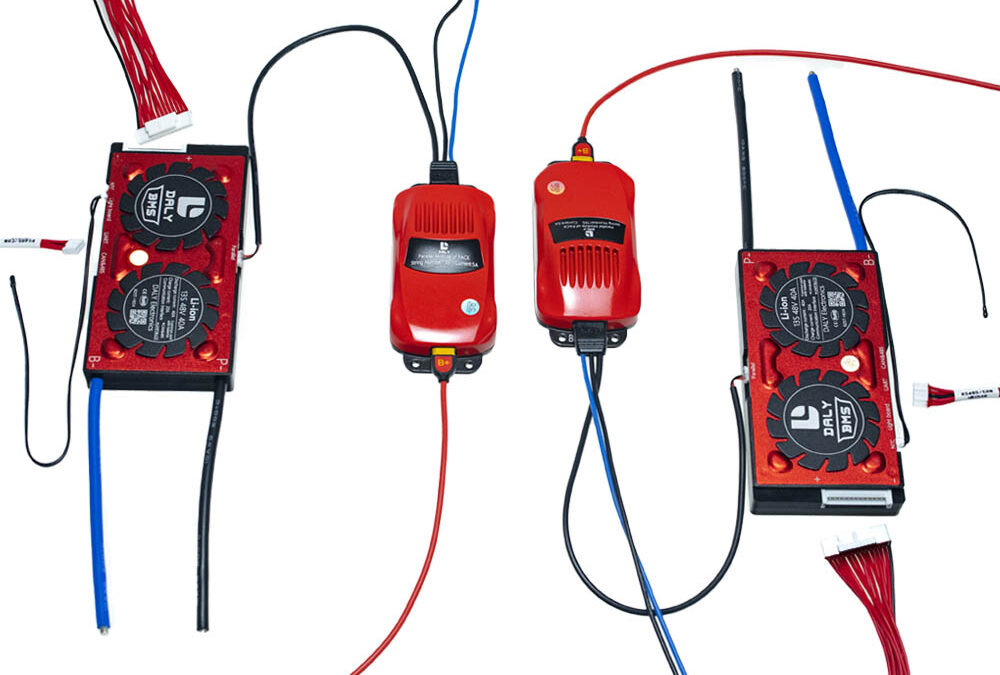
Therefore, it is considered as a rule to use lithium batteries only with an electronic protection system -BMS. BMS – stands for “Battery Menagement System.”
- BMS functions
- Separate monitoring of the parameters of each cell in the package
- Protection against exceeding the maximum charging voltage
- Protection against exceeding the minimum discharge voltage
- Short circuit protection
- Protection against exceeding the maximum charging current
- Protection against exceeding the maximum discharge current
- Protection against exceeding the permissible temperature range during charging and discharging (for BMS with NTC temperature probe)
- BMS with cell balancing function additionally allow to equalize voltages between cells in a pack (charging weaker cells, at the expense of stronger ones). Differences in cell voltages and capacities are perfectly normal, due to manufacturing inaccuracies, and the balancer function allows better use of battery energy and extends battery life.
- Due to the different voltage ranges (min-max) for different cell types (li-Ion, LIFePO4, Li-Pol), the BMS must be structurally matched to the cell type. It is not possible to use a BMS, for example. Li-Ion to LiFePO4 cells.
- Monitoring each cell in the pack separately, the BMS will disconnect the charging system when the strongest cell in the pack reaches the maximum voltage for that cell type, and will disconnect the receiver on discharge when the weakest cell reaches the minimum voltage. Therefore, critical to the proper operation of the package is the selection of targets with the most similar parameters (voltage, capacitance, internal resistance). All targets must also be identically charged before bundling.
In the case of brand-new cells from reputable manufacturers, it is most often sufficient for them to be of the same type, from the same production batch and not previously discharged separately. With used cells, detailed selection is required.
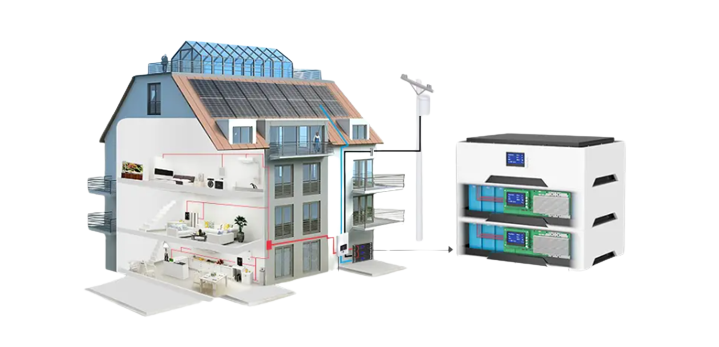
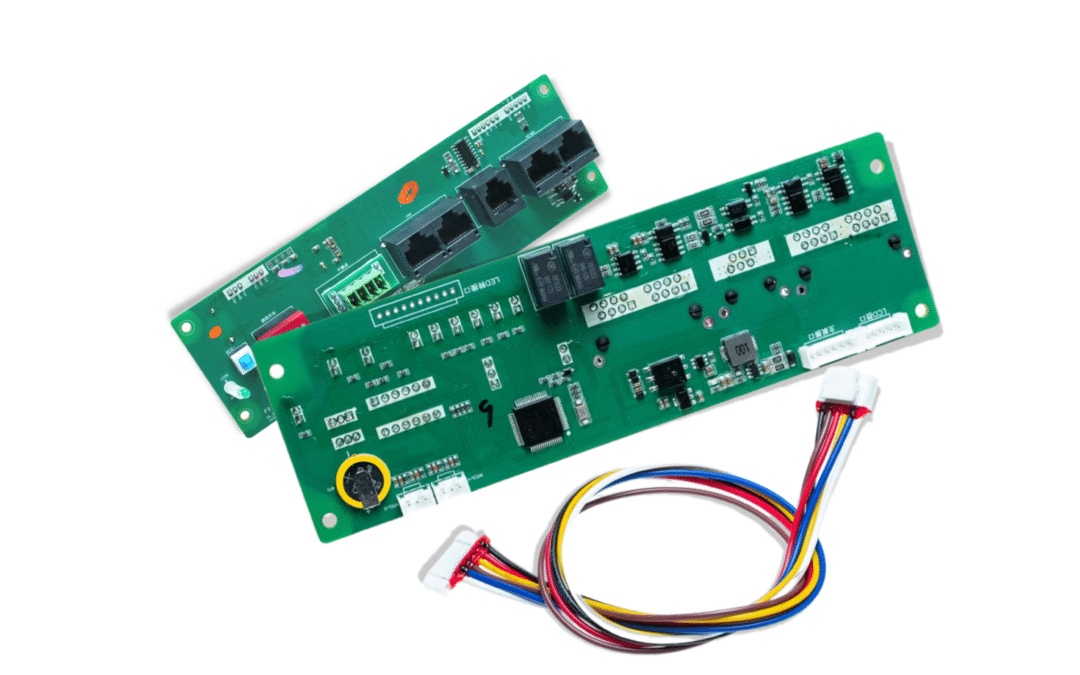
- SMART (smart) BMSs allow you to monitor all battery parameters (including individual cells) via, for example, a mobile app, an additional screen, or a PC. In advanced systems, they can also transmit information to external power system components, such as an inverter over a CAN link.
Lithium battery designers also make it possible to change protection parameters. However, be aware that with this type of operation, you need to have a sound knowledge of lithium cells, as they can be potentially dangerous.
The BMS, regardless of its type and design, is not a substitute for selecting the correct parameters for charging and discharging the pack. These parameters should be selected by choosing the right charger and receiving equipment.
The BMS is a necessary, but additional protection in case of failure or overloading of connected devices.
For the sake of preserving the correct operation of the lithium battery, the protection and design of the BMS allow much higher currents than they are designed for, as long as they are short-lived. This makes it possible, for example, to start many electrical devices. However, prolonged operation at such currents leads to permanent damage to the BMS.
For example, in a BMS 10S 36V 40A Li-Ion, the current that triggers overcurrent protection on discharge is approx. 120A. This protects the cells sufficiently, but continuous operation of the BMS with a current of more than 40A must lead to its failure. The situation is similar when charging.
Construction and elements of packages
- BMS-what it is and what functions it has
- Principles of selecting a BMS for a battery pack
- Parallel connection of lithium batteries
- Charging battery packs
- Information on first use and storage of batteries