
When using standard BMS, parallel connection of lithium batteries is not allowed due to the very probable damage to the BMS electronics (which may result in damage to the cells). This is the result of uncontrolled current flow between batteries due to the difference in voltage and internal resistance.
This situation occurs when several batteries with different levels of charge are connected, or when a cell is damaged during operation, in any of them.
Damage to the BMS and cells caused by their operation in parallel systems is excluded from the manufacturer’s warranty.
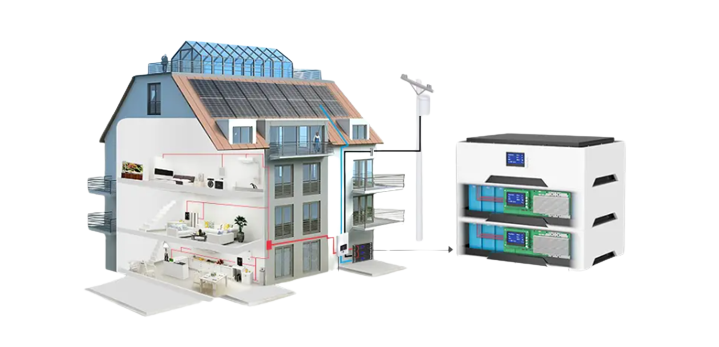
Nevertheless, the parallel connection is a very interesting alternative to using a single, very large battery, especially in energy storage systems.
It allows you to increase the capacity of the power bank, as well as doubling the allowable discharge current, and therefore the power that can be drawn.
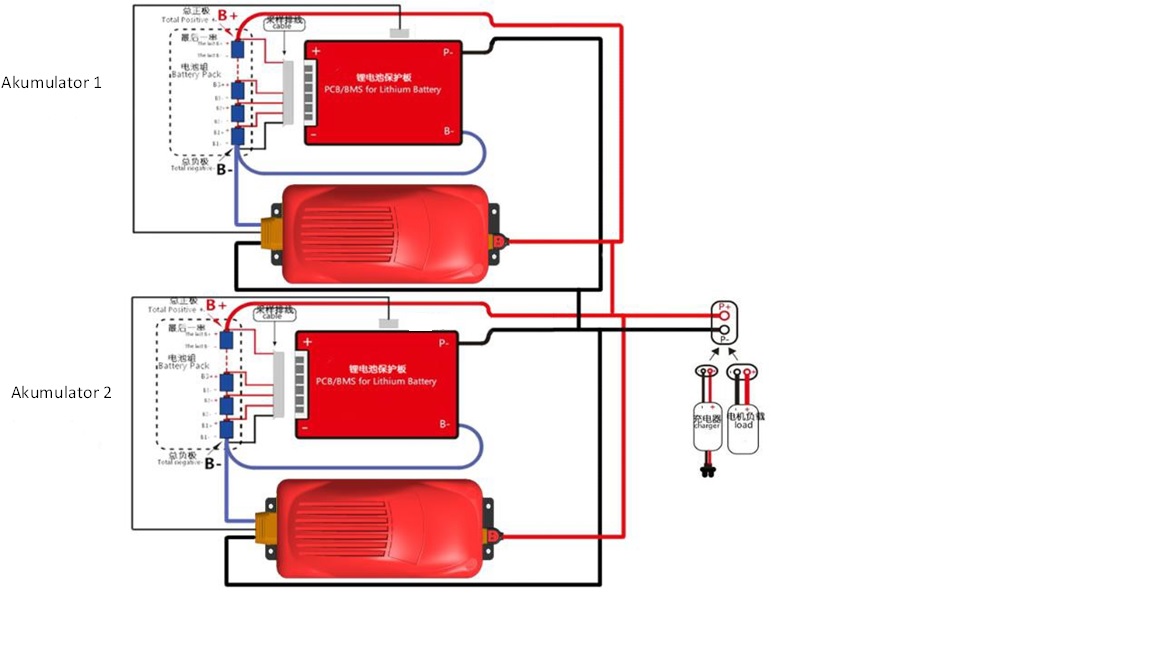
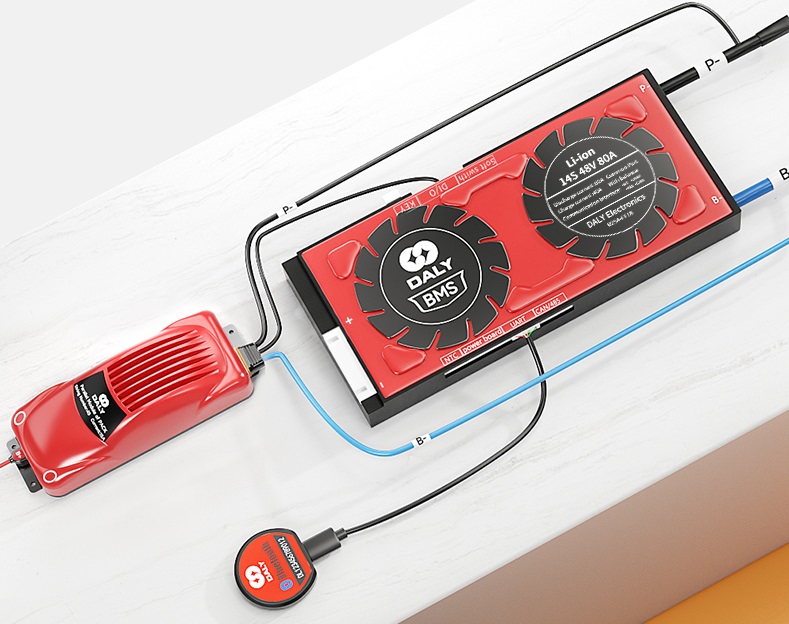
To solve this problem, Daly has developed an additional device – aparallel module – to control and limit the current flowing between the batteries.
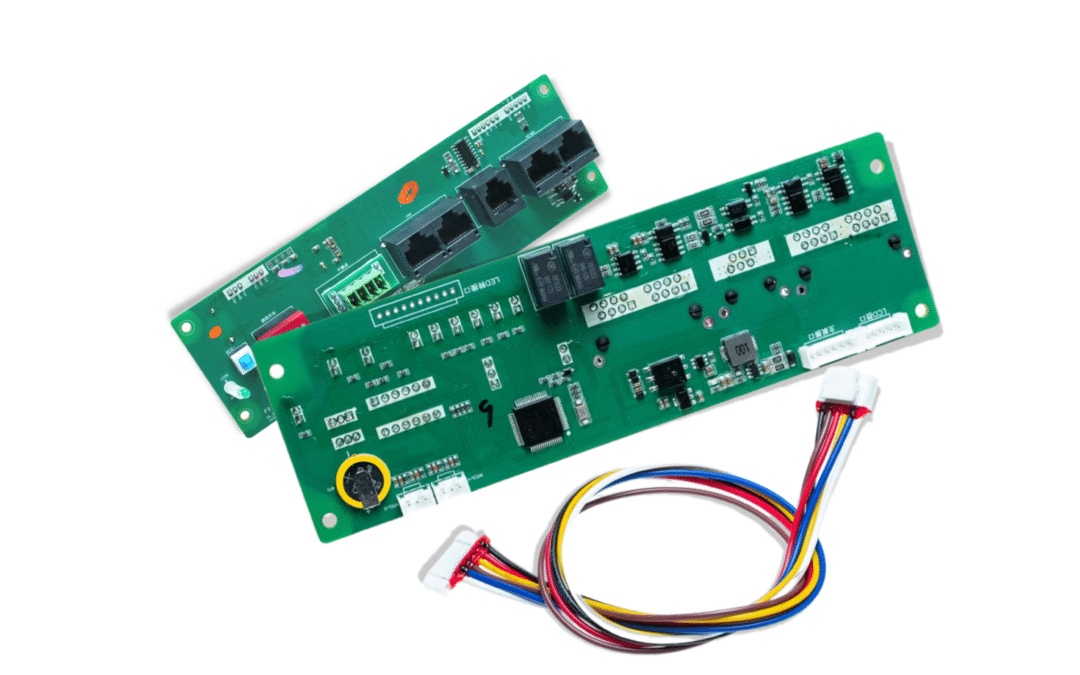
Parallel module is a device that allows parallel connection of lithium batteries (equipped with BMS).
The principle of the module’s operation boils down to disconnecting the BMS when the difference in battery voltages causes a current flow of a value greater than that limited by the module. During this time, current flows between batteries only through the module and is limited to a safe value of 5 or 15A. Once the voltages are equalized, the module reconnects the BMS.
For safe parallel connection of lithium batteries, the following conditions must be met:
- All combined batteries must be made of identical cells (type, capacity, manufacturer) and have a similar degree of wear.
- Each battery must be equipped with the same BMS and a matching parallel module.
- It is good practice to combine batteries when they are in a similar state of charge.
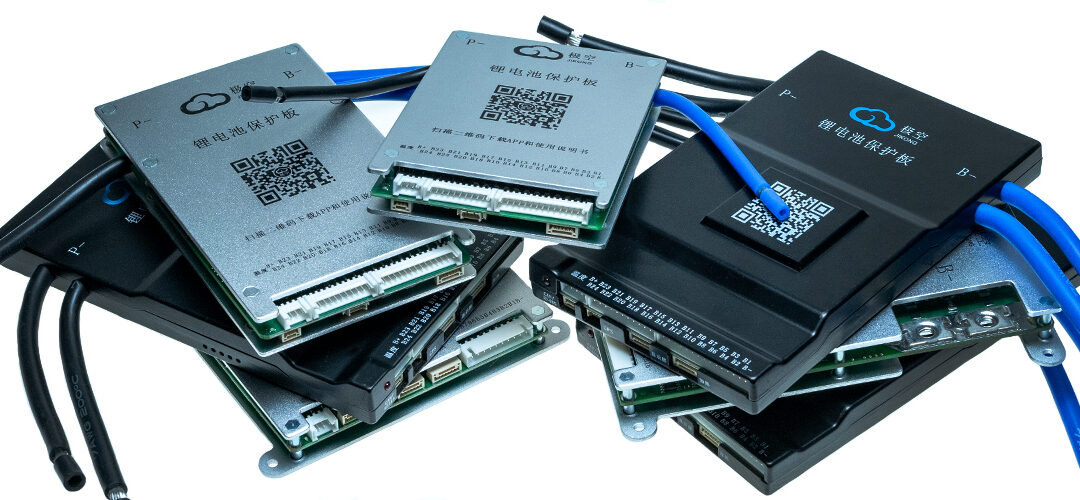
For proper operation of the module, it is required to use a BMS of the series that allows such cooperation. They can be recognized by the presence of an output with the marking “Parallel” on the housing.
Since parallel modules are made in several current versions (usually 5A or 15A) the BMS used must have software adapted to the specific version of the module.
In the BMS imported by Onvolt, BMS SMART versions up to 100A are adapted to 5A modules, and BMS versions from 150A to 15A modules.
The only difference in performance between the 5A and 15A versions of the modules is the time it takes to equalize battery voltages after connection.
In special cases, it is possible to order BMS with currents below 100A adapted to work with 15A modules.
Connecting the wrong module to the BMS will result in malfunction of the system.
- Characteristics
- Easy installation
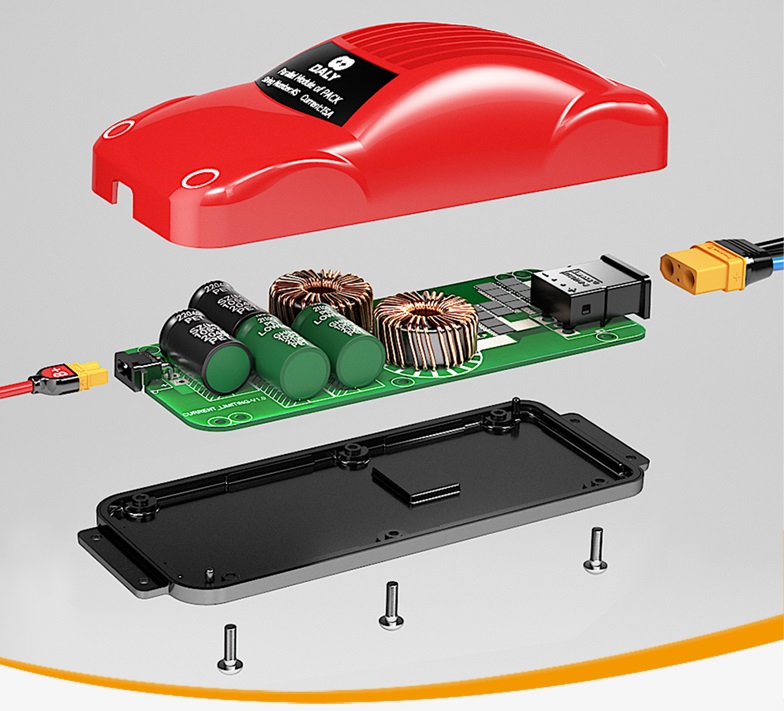
- Good insulation, stable current, high safety
- Performed safety tests to exacting standards
- The case with modern design is completely resistant to moisture, dust, provides mechanical resistance and proper cooling.
- Main parameters
| MR 15A | MR 5A | |
| External dimensions |
174x66x44mm | 104x49x21mm |
| Current limit |
15A | 5A |
| Module activation |
maximum current between batteries exceeded | |
| Operating temperature |
-20~70°C | |