Information on first use and storage of batteries

Information on first use and storage of batteries

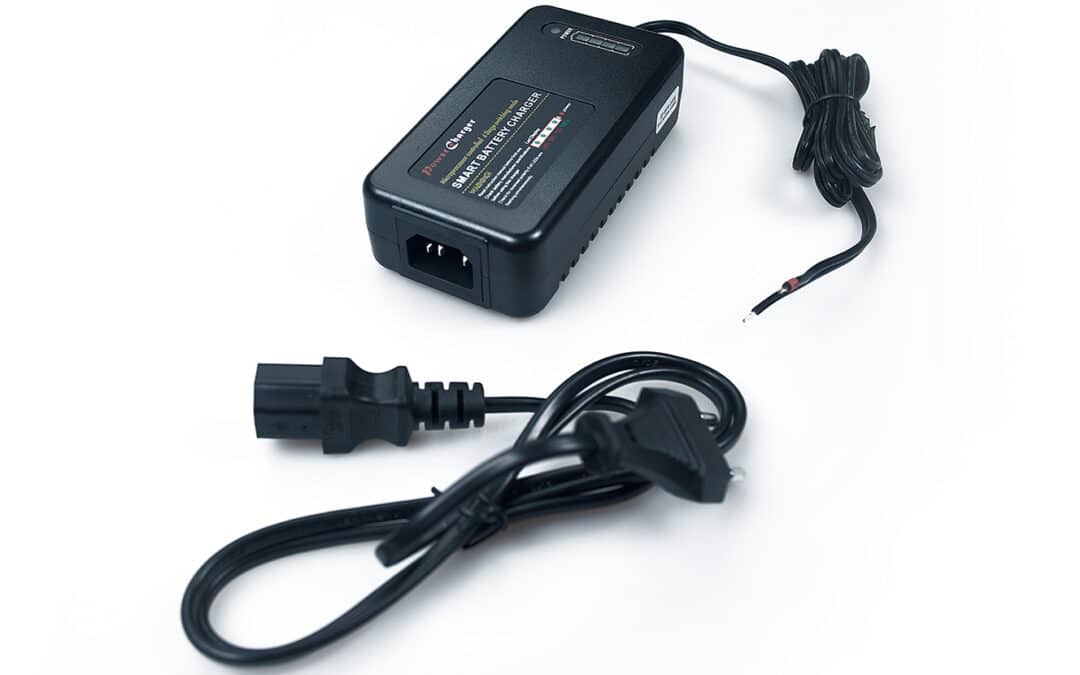
For a trouble-free, long-lasting battery life, it is very important to charge them first and store them properly during the period when they are not in use. The procedure depends on the type of battery.

  • Ni-Cd (nickel-cadmium) batteries – these batteries are no longer supplied as new (they have been replaced by Ni-Mh (nickel-metal hydride)), but it is worth knowing that they should be discharged “to the end” and then charged until the process is complete. We store them in a charged state, and it is a good idea to discharge and recharge them every few weeks during periods of intermittent use.
  • Ni-Mh (nickel-metal hydride) batteries – such a battery, once purchased, we can immediately, normally operate in the device (with the knowledge that the operating time may be shorter than the target). After discharging, we charge it to the end of the process and during the next use, we also discharge it completely. By discharge to the end, we mean normal discharge during which we observe a marked decrease in the power of the device, or the brightness of the light. We try never to discharge the battery “to zero”, such as leaving the device on unattended. Such a discharge is very harmful to the battery and the consequences of such an action are not covered by the warranty. After another full charge, we can already operate the battery normally, we do not need to discharge it completely, we can recharge it after use. We store Ni-Mh batteries in a charged state, during longer breaks we recharge them every few weeks (without discharging them first).
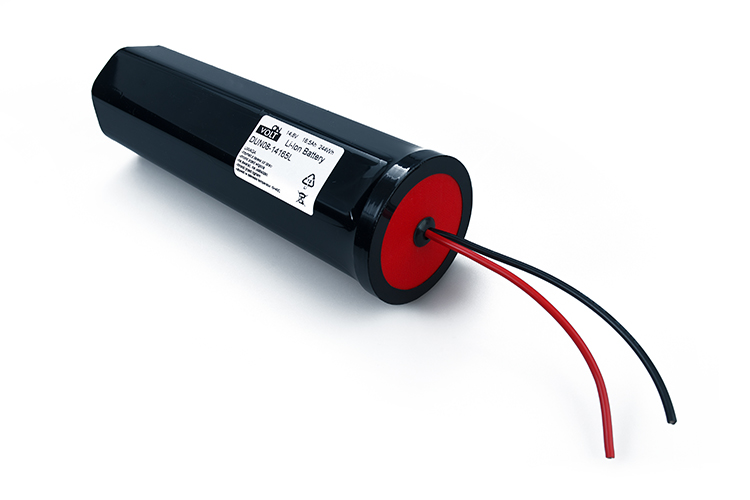
  • Li-Ion (lithium-ion) batteries – the battery is delivered, as partially charged. Before operation, it should be charged to the end without interrupting the process. Then you can operate the device normally. During long storage, it is best to maintain a partially charged state. This means that you should not wait until charging is complete, it is better to stop charging “in the middle”. Stored in this way, the battery will retain its parameters for a very long time. You just need to remember to recharge the package immediately before operation. All Li-Ion packs supplied by OnVolt are equipped with safety electronics (PCM or BMS). It protects the pack from both over-discharge and over-charging, and also monitors the condition of individual cells.
Warto przeczytać

Principles of selecting a BMS for a battery pack

Principles of selecting a BMS for a battery pack

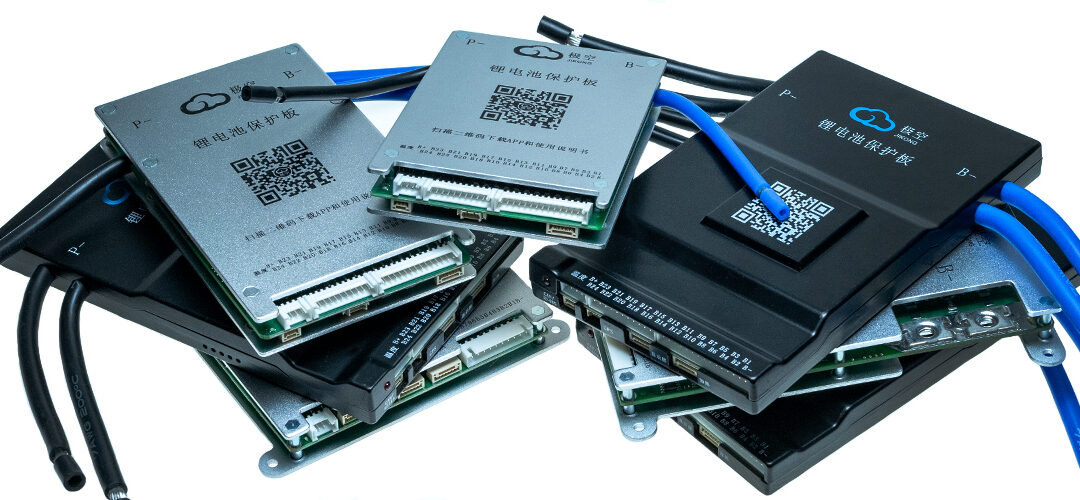
The most important information contained in the content: Types of cells Number of cells in a pack marked S-series and P-parallel Maximum continuous current for discharge and charge Balancers and balancing current Temperature probe BMS Standard and Smart BMS for...

read more
Charging and storing energy packs and energy storage units.

Charging and storing energy packs and energy storage units.

The most important information contained in the content: Types of cells (batteries) and selection of chargers for them Charging lithium batteries, including those working with an inverter Charging nickel batteries Charging lead-acid batteries First use and storage of...

read more
Energy storage – the benefits of having your own storage

Energy storage – the benefits of having your own storage

An increasingly common problem for owners of photovoltaic installations is the issue of reselling produced electricity. It would seem that the prosumer rules are simple - if we produce energy, we can resell it, and when we need it, we can buy it. A significant number...

read more
How to build a home energy storage?

How to build a home energy storage?

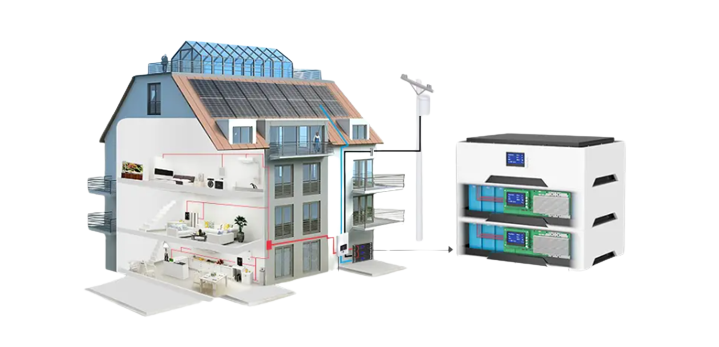
The possibility of using almost all of the energy produced by photovoltaics, with practically no financial losses caused by resale and repurchase, and independence from temporary interruptions in supply, are arguments in favor of having your own energy storage....

read more
Parallel connection of lithium batteries

Parallel connection of lithium batteries

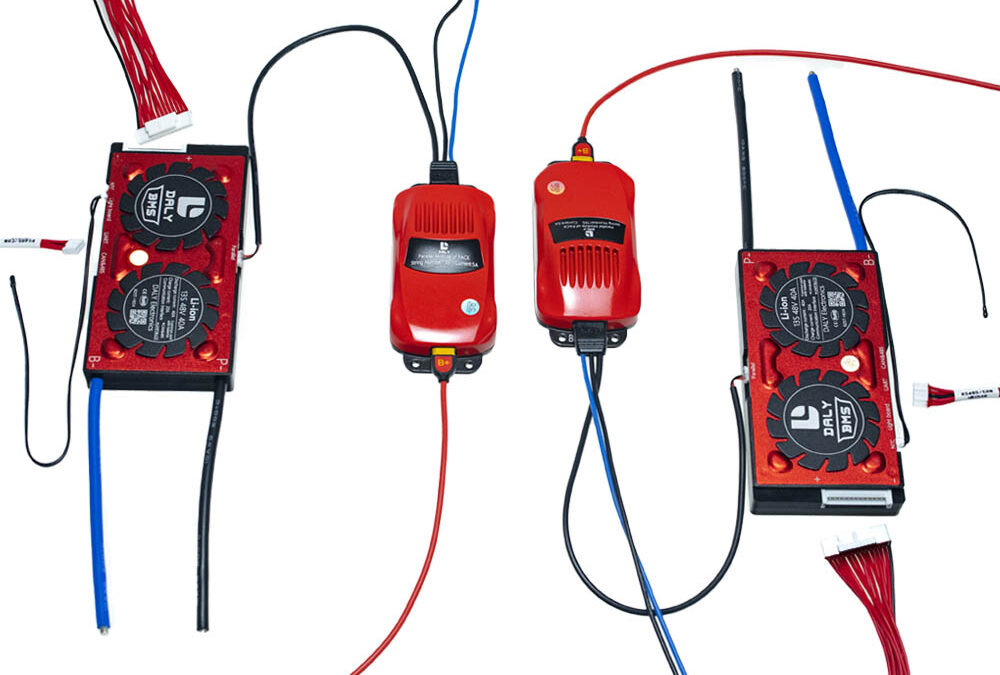
​When using standard BMS, parallel connection of lithium batteries is not allowed due to the very probable damage to the BMS electronics (which may result in damage to the cells). This is the result of uncontrolled current flow between batteries due to the difference...

read more
Charging and storing packets and energy storage

Charging and storing packets and energy storage

Charging batteries is a topic often neglected by users. The correct charging process has a decisive impact on the battery's performance, its durability and, most importantly, its operational safety. The easiest way out is to use the charger that came with the device...

read more
Universal Li-Ion battery packs for underwater applications

Universal Li-Ion battery packs for underwater applications

Universal Li-Ion battery packs for underwater applications We offer you a unique program to provide universal battery packs applicable to most of the flashlights and heating systems in use for divers. The design of the packs, was conceived to provide the largest...

read more

OnVOLT – komponenty – magazyny energii – BMS – balansery – akumulatory

Wykorzystujemy ciasteczka do spersonalizowania treści i reklam, aby oferować funkcje społecznościowe i analizować ruch w naszej witrynie.

Informacje o tym, jak korzystasz z naszej witryny, udostępniamy partnerom społecznościowym, reklamowym i analitycznym. Partnerzy mogą połączyć te informacje z innymi danymi otrzymanymi od Ciebie lub uzyskanymi podczas korzystania z ich usług.

Informacja o tym, w jaki sposób Google przetwarza dane, znajdują się tutaj.