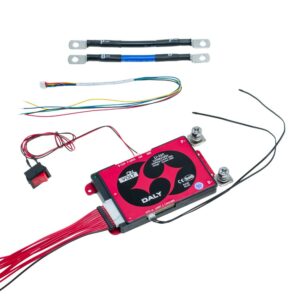
The most important information contained in the content: Types of cells Number of cells in a pack marked S-series and...
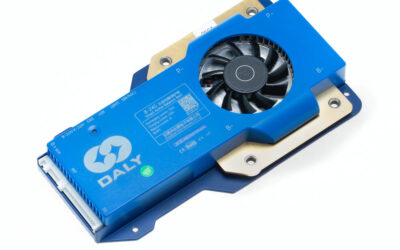
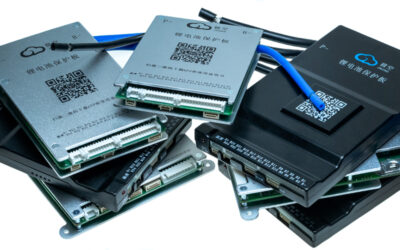
Principles of selecting a BMS for a battery pack
read more



€10,61
In stock
High-power silicone heating mat, which also functions as an insulator between the cells.
Dimensionally compatible with the most popular 280–330Ah cells.
The use of heating mats is required for LiFePO4 packs that need to be charged at sub-zero temperatures.
The high power of the mats allows for rapid heating of the battery pack to temperatures above freezing.
Tests have shown that 5 mats connected in parallel (for a 4-cell pack) allow them to be heated by 10 degrees in approximately 1.5 hours.
Of course, this is an approximate value, depending on the enclosure design and its exposure to external conditions.
The mats can be connected both in parallel and in series, allowing them to be used in 12V (4S), 24V (8S), 48V (16S) packs, and so on.
Remember to use a BMS with a dedicated output for controlling heating mats, such as the DALY-DIO, JK-Heat, and all JK Inverter models.
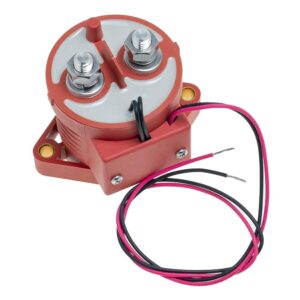
Due to the high power—and therefore current exceeding the BMS’s capacity—an additional control relay must be used, or in the case of a Daly BMS, a special Heating Module.
| Voltage | |
|---|---|
| Width | |
| Height | |
| Thickness | 2mm |
| Power | 27W |
| Power consumption |
The most important information contained in the content: Types of cells Number of cells in a pack marked S-series and...
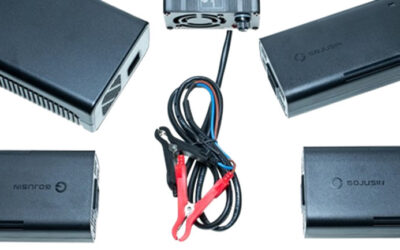
The most important information contained in the content: Types of cells (batteries) and selection of chargers for them...
No one needs to be convinced of the advantages of batteries based on lithium technology. Their ability to store much...